Quick answer
The best beaches for snorkeling in Santorini cluster along the caldera's eastern shore and southern tip, where volcanic rock formations create underwater structure. Kamari and Perissa beaches offer gradual entry and volcanic reef systems within swimming distance, while Amoudi Bay below Oia provides sheltered cove conditions and rocky outcrops that attract Mediterranean fish species. Morning sessions between 08:00 and 11:00 deliver optimal visibility before wind and boat traffic stir sediment.
Santorini's underwater landscape reflects its explosive volcanic origin—the caldera floor plunges to 400 meters offshore, but the island's beaches reveal accessible submerged lava shelves, rock gardens, and marine caves formed by pyroclastic flow meeting seawater. These geological features distinguish Santorini snorkeling from typical Aegean beach experiences. Kamari Beach on the southeast coast extends three kilometers of black volcanic sand with a gradual slope into clear water. Submerged boulders 30 to 50 meters offshore create habitat zones where damselfish, wrasse, and juvenile grouper cluster. The reef structure runs parallel to shore at depths of two to four meters, accessible to swimmers of moderate ability. Perissa Beach, connected to Kamari by the Mesa Vouno headland, mirrors this volcanic topography with slightly stronger currents that increase nutrient flow and fish density. Both sites offer taverna access and equipment rental kiosks, though many snorkelers bring personal gear to avoid scheduling constraints. Amoudi Bay presents a contrasting environment—a small harbor cove beneath Oia's cliffs where fishing boats and stone steps frame a protected inlet. Rocky substrate and deeper water close to shore support octopus, sea urchins, and small pelagic schools. The confined geography limits snorkeling range but concentrates marine life. Water entry requires navigating uneven volcanic stones. Vlychada and Red Beach on the southern coast introduce dramatic cliff backdrops and narrower access points. Vlychada's white pumice cliffs overhang dark sand shallows where underwater rock formations create swim-through passages at two to three meters depth. Red Beach, named for iron-rich volcanic sediment, offers striking color contrast above and below the waterline, though rockfall hazards and limited space make it less practical for extended snorkeling sessions. Greek law mandates free coastal access, so no entrance fees apply to any beach, though private sunbed zones and equipment services operate under separate commercial terms. The caldera's exposure to the Meltemi wind system affects afternoon conditions—mornings deliver calmer surface water and better light penetration through the water column. Seasonal plankton blooms in spring and early summer reduce visibility but increase fish activity. The volcanic seabed retains heat, keeping water temperatures comfortable from May through October, though cooler upwellings occur along the caldera's deep edge.
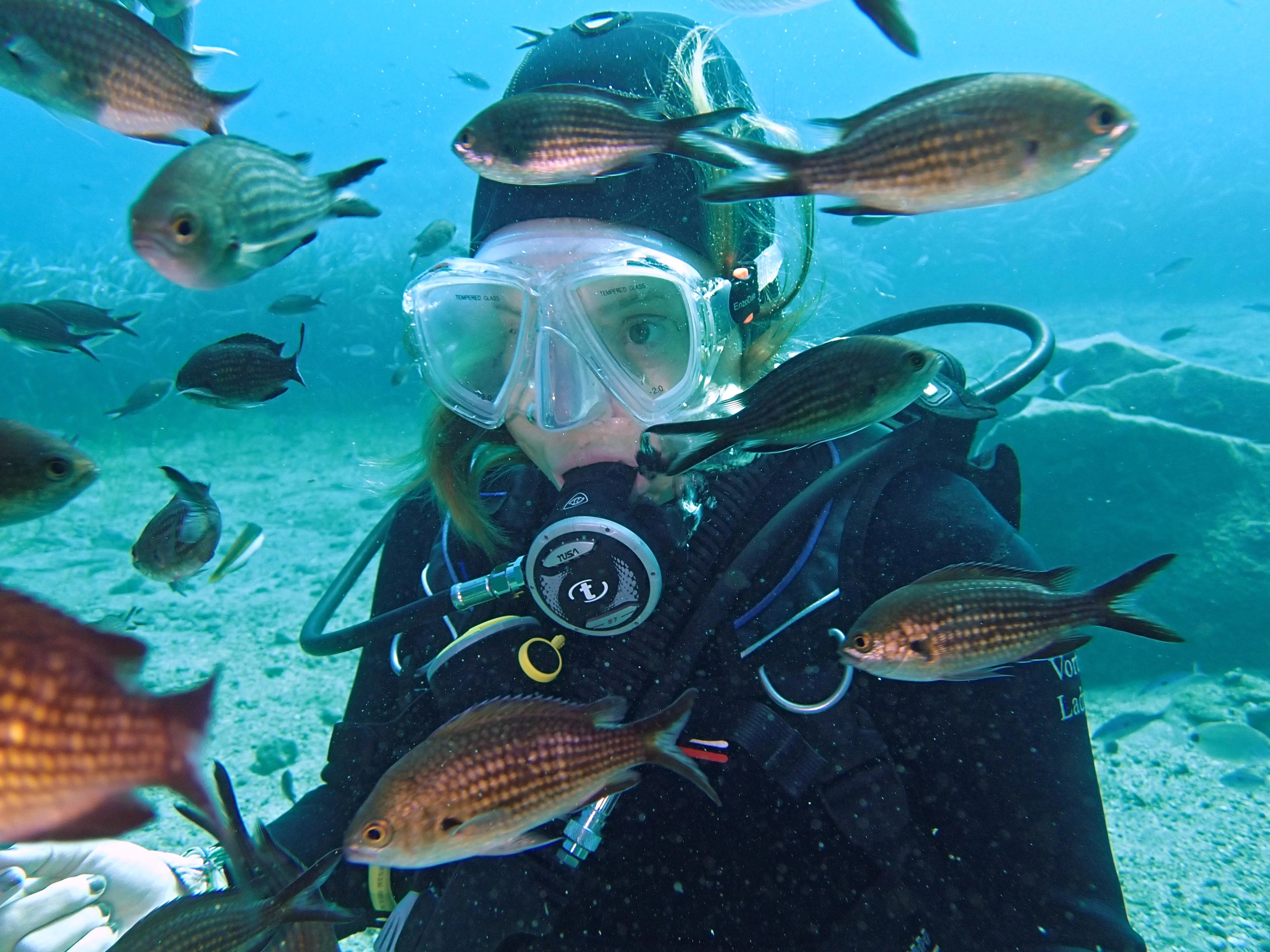
“Santorini's submerged lava shelves create reef structure at snorkeling depth, turning volcanic geology into accessible underwater terrain.”
The Best Time of Day to Visit the Best Beaches for Snorkeling in Santorini
The best arrival window is 08:00–11:00 to minimize exposure to peak afternoon winds and boat traffic. Visiting during these morning hours ensures calmer water and improved visibility for snorkeling in the Santorini Caldera.
May to June
Low to moderateWarm, 20°C–25°C
Water temperatures begin to rise, and crowds remain manageable before the peak summer season.
July to August
Very highHot, 26°C–29°C
Expect calm mornings followed by stronger winds in the afternoon which can reduce water clarity.
September to October
ModerateMild, 22°C–26°C
The water remains warm from the summer heat, and boat traffic decreases significantly compared to August.
Weekday mornings
Minimal—
Arriving early avoids the main influx of cruise ship passengers and daily excursion vessels.
Verdict: For optimal snorkeling conditions, plan your visit from Tuesday to Thursday between 08:00–11:00 during the months of May, September, or October.
Preparation Checklist for the Best Beaches for Snorkeling in Santorini
Pack snorkeling gear and safety items suited to Santorini's volcanic coastline before you head to the caldera beaches.
-
Bring your own mask, snorkel, and fins — Rental options are limited at remote volcanic beaches, and a proper fit prevents leaks in choppy conditions.
-
Pack reef-safe sunscreen (SPF 30+) — Protect skin during extended water time while preserving the caldera's marine ecosystem.
-
Wear water shoes with thick soles — Sharp volcanic rocks and black sand heat quickly, making barefoot walking uncomfortable and risky.
-
Carry a dry bag for valuables — Keep phone, wallet, and car keys safe from saltwater and sand at beaches with minimal facilities.
-
Pack sufficient drinking water (1–2 liters) — Dehydration occurs quickly in the heat, and most snorkeling beaches lack nearby shops or cafes.
-
Check local marine conditions online — Wind and waves affect visibility and safety; calmer morning hours (08:00–11:00) offer the best snorkeling window.
Check availability
Common Questions About Snorkeling in the Santorini Caldera
Everything you need to know about best beaches for snorkeling in santorini