Quick answer
Is snorkeling in Santorini good? Yes, for those seeking volcanic underwater formations and calm Aegean conditions rather than tropical reefs. The Caldera offers underwater visibility of 15–30 meters during summer months, black volcanic rock formations, and marine species adapted to the archipelago's geology. Water temperature reaches 24–26°C between June and September, making extended sessions comfortable without thick wetsuits.
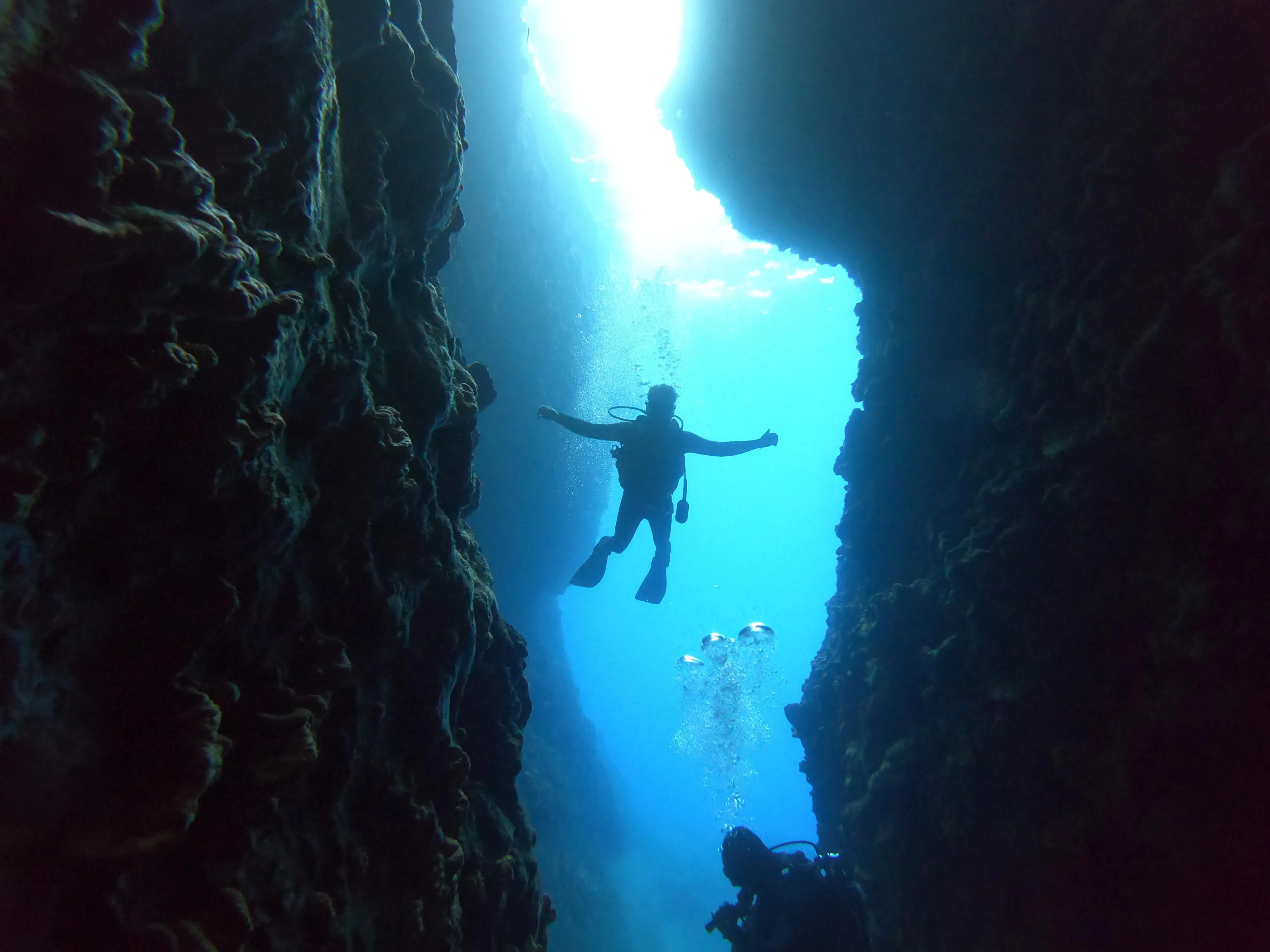
The Santorini Caldera sits atop one of the Mediterranean's most active volcanic systems, and that geology defines what snorkelers encounter below the waterline. The seabed consists primarily of black and red volcanic rock, not sand or coral, creating a stark underwater topography unlike the Caribbean or Red Sea. This volcanic substrate supports a different ecological profile—groupers shelter in lava fissures, damselfish navigate the rock walls, and octopuses inhabit crevices formed by ancient eruptions. Underwater visibility in the Caldera fluctuates with season and weather. May through October typically delivers 20–30 meters of clarity when winds stay calm and phytoplankton levels drop. Winter months see that number fall to 10–15 meters as storms churn sediment and cooler water brings nutrient blooms. The best conditions align with the early-morning window before 10:00, when boat traffic remains light and the sun angle illuminates the rock formations without surface glare. Wind direction matters—northerly meltemi gusts create surface chop that reduces visibility, while southern breezes keep the Caldera's interior calm. Snorkeling Santorini's volcanic coast rewards those interested in geology and endemic Aegean species rather than technicolor reefs. The lack of coral means fewer fish species compared to tropical zones, but the formations themselves—lava tubes, submerged cliffs dropping to 300 meters, and the mineral-stained rock—deliver a different kind of spectacle. White Beach and Red Beach offer the most accessible entry points with volcanic backdrops above and below the waterline. Nea Kameni, the young volcanic island in the Caldera's center, provides snorkeling near hot springs where warmer water draws baitfish and predators. Water temperature plays a deciding role in comfort. July and August deliver peak warmth at 25–26°C, manageable with just a swimsuit or thin shorty wetsuit. June and September drop to 22–23°C, where a 3mm suit extends bottom time without shivers. April, May, and October require 5mm suits for anything beyond quick surveys. The Caldera's depth and exposure to open Aegean currents prevent the lagoon-like stillness found in sheltered bays, so even summer snorkeling involves light current and occasional swells.
“The seabed consists primarily of black and red volcanic rock, not sand or coral, creating a stark underwater topography unlike the Caribbean or Red Sea.”
When Is Snorkeling In Santorini Good? Seasonal and Daily Timing
The most favorable period for snorkeling in the Santorini Caldera spans from June through September, when water temperatures reach their annual peak. To ensure optimal conditions, visitors should prioritize the 06:30–10:00 arrival window to avoid midday heat and the arrival of large cruise ship excursions.
June–September
Moderate to highWarm water (23°C–25°C). The warmest temperatures provide the most comfortable conditions for extended time in the water.
May and October
Lower to moderateCooler water (19°C–21°C). These shoulder months offer quieter waters and fewer visitors compared to peak summer.
Weekday mornings
Low crowd density—;Early arrival is the most effective way to secure calm conditions before the daily influx of boat traffic.
Verdict: The best opportunity for snorkeling occurs during the summer months within the 06:30–10:00 arrival window.
Preparation Checklist When Is Snorkeling In Santorini Good?
The volcanic terrain and open-water conditions require specific gear and preparation beyond typical beach snorkeling.
-
Book a snorkeling tour in advance — Operators fill quickly during peak season and provide necessary equipment for caldera conditions.
-
Pack reef-safe sunscreen SPF 50+ — Intense sun reflection off water and limited shade on volcanic islands demand strong protection.
-
Bring water shoes with grip — Sharp volcanic rocks and uneven lava formations line most entry points around the caldera.
-
Carry 2 liters of water per person — Limited facilities on Nea Kameni and other snorkeling spots mean you must bring adequate hydration.
-
Wear a rash guard or wetsuit — Water temperatures drop in deeper caldera zones and jellyfish appear seasonally.
-
Bring an underwater camera in housing — Visibility reaches 30 meters in calm conditions, ideal for capturing volcanic formations and marine life.
-
Pack motion sickness medication if prone — Boat rides across the caldera can be choppy, especially in afternoon winds.
Check availability
Common Questions About Snorkeling in the Santorini Caldera
Everything you need to know about is snorkeling in santorini good